
Satellites reimagined
Transforming a rapidly evolving spacecraft category to build brand recognition and inspire audiences
March 8, 2023
With more satellites being launched today than ever before and demand expected to quadruple over the coming decade, manufacturers and operators are starting to reimagine the potential of these spacecraft to fulfil a secondary mission objective, to inspire audiences back home.
Leading the charge are a handful of pioneering satellite brands that are redefining how people engage with this rapidly evolving category of spacecraft.
A recent example is Reflex Aerospace, an innovative satellite manufacturer who are actively designing their satellites as extensions of their brand identity.
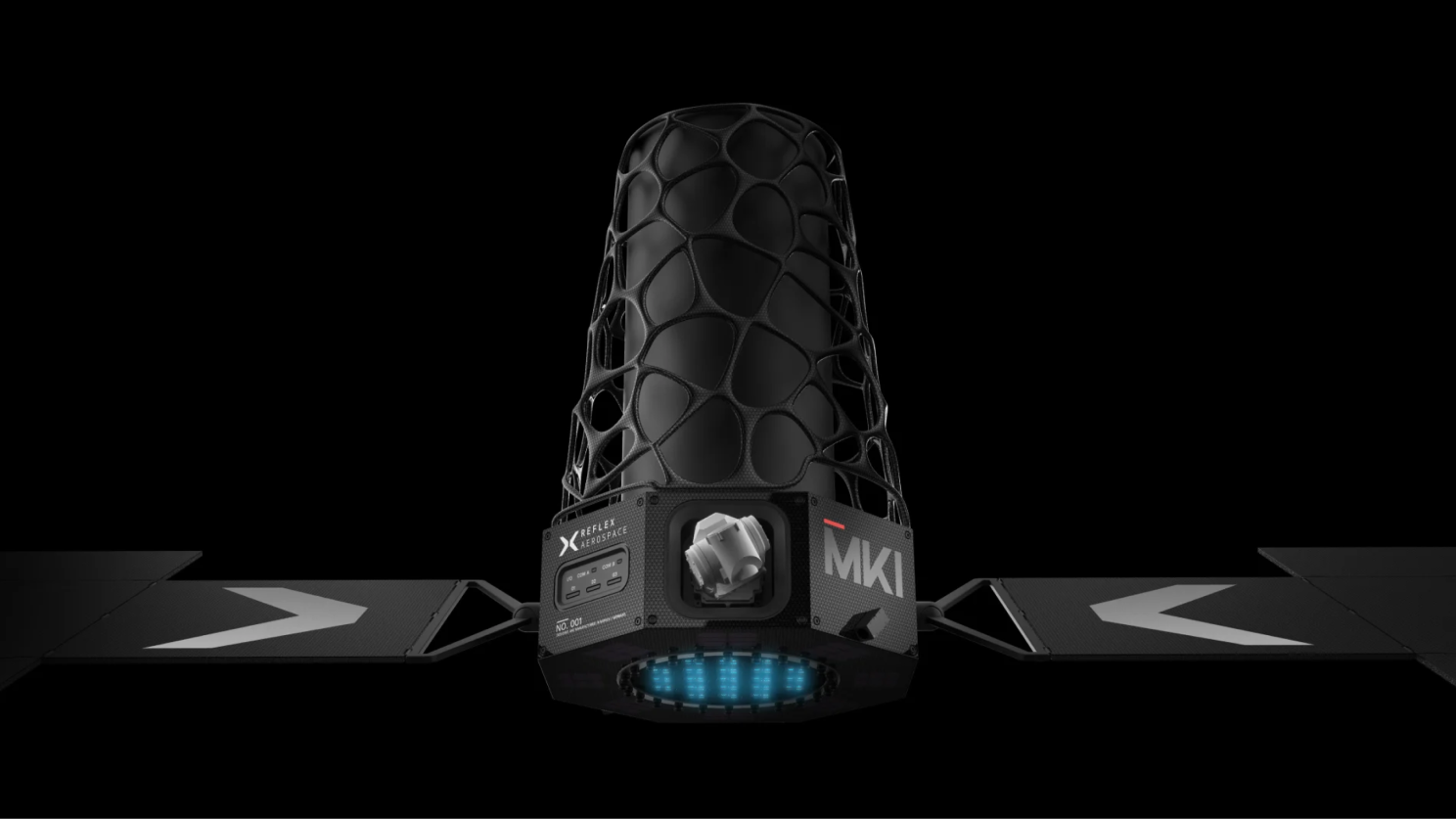
Reflex collaborated with hands-on hardware consultancy, BatchOne to develop design concepts for each satellite and a series of visual renders.
The renders featured throughout Reflex’ pitch deck, website and PR materials supporting the company’s seed financing round of €7 million.
“[The renders have been] instrumental in our early marketing success, and the sophisticated and professional appearance of our outreach material has been met with very positive market feedback!”
Reflex Aerospace CEO and founder, Walter Ballheimer
With plans to raise an additional €12 million during the first quarter of 2023, the satellites’ category-breaking distinctiveness and alignment with Reflex’ brand identity helps stop the scroll. The benefits from this level of standout are considerable, especially while prospective investors are faced with a sea of visual sameness from other players.
Planet Labs take a different approach, for the past few years they have offered artists, employees and members of the public an opportunity to create custom livery designs for each of their Dove satellites.
Participants are invited to submit artwork which is laser etched into the surfaces of the satellites before integration and launch, contributing to what Planet describe as ‘the largest art show in Earth’s orbit‘.

By welcoming a diverse range of participants, from toddlers to politicians, the project reinforces Planet’s emphasis on democratisation, building a community of fans in the process.
Scale reproductions of some of the satellites have even found their way into public and private collections in the Smithsonian in Washington DC and the United Nations in Vienna.
For many satellite brands, a wealth of storytelling potential could also be hiding in plain sight.
During the run-up to the greatly anticipated launch of the James Webb Space Telescope (JWST), public recognition of the spacecraft didn’t stem from a custom livery design or a meticulously crafted visual identity. Instead, people were captivated by the highly functional yet uniquely recognisable gold-plated, 18-hexagon mirror.

The direct linkage between the hexagonal shapes, the space telescope and its mission establishes the kind of visual equity and narrative potential that brand builders dream of.
Although NASA explored the hexagon symbol as a brand asset across JWST’s logo, website and social media channels, it was the public who realised its full potential, creating a wave of fan art, merchandise and engagement in the process.
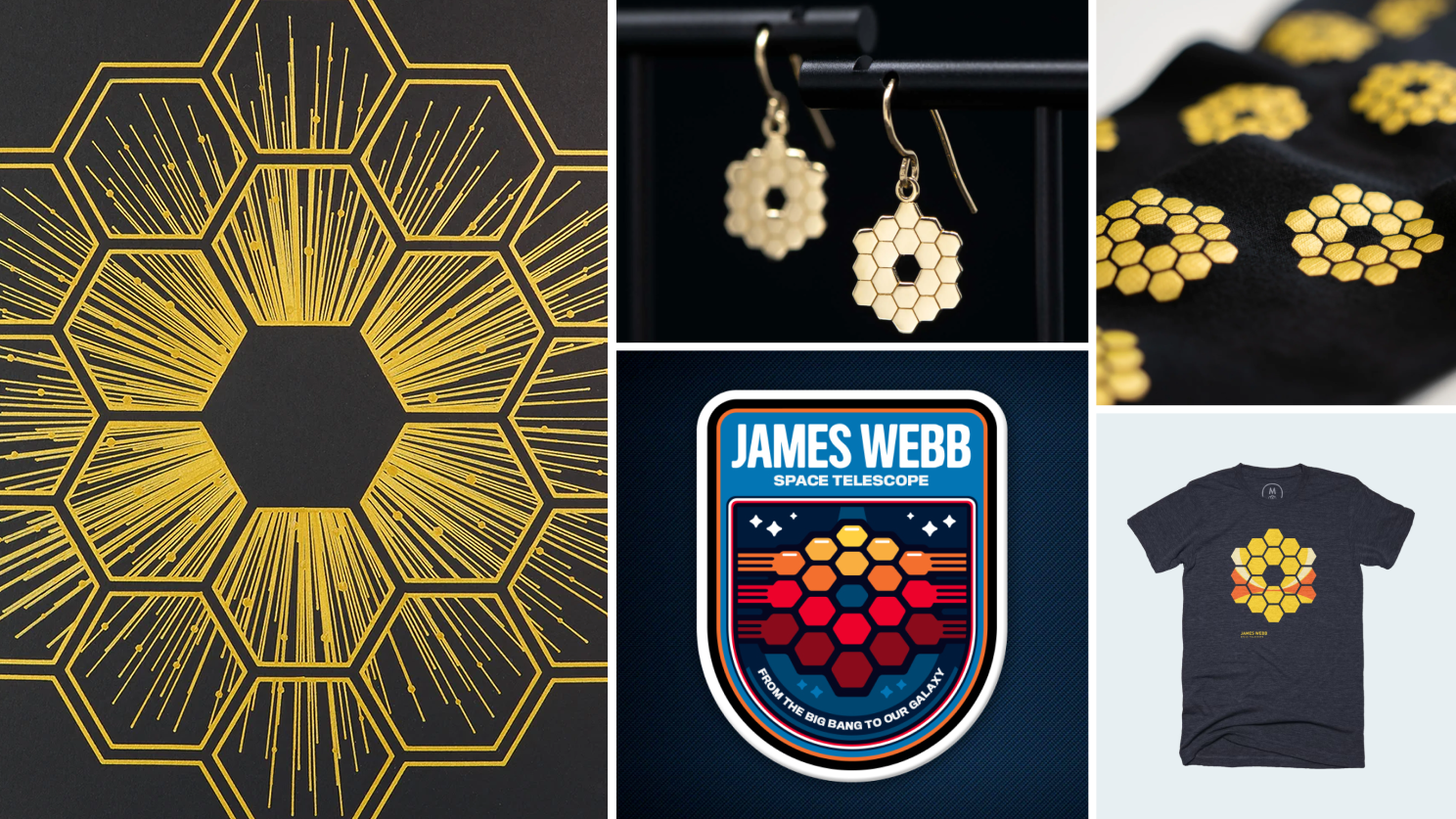
Along with launch vehicles, space stations and ground facilities, satellites are yet another exciting and untapped touchpoint for brand design in the space sector. As the expanding satellite market evolves and manufacturers and operators look to secure investment, customers and talent, we can anticipate new opportunities to rethink what satellites can mean to different audiences.
Although it’s early days, these pioneering brands offer key starting points for any satellite businesses looking to engage and inspire:
- The Reflex Aerospace approach – Blends powerful brand assets with the aesthetics of consumer products to create ownable brand and product architecture for future generations of satellites.
- The Planet Labs approach – Champions public participation in satellite use and creation through custom styling (livery design, CMF and industrial design) and democratised secondary missions.
- The James Webb approach – Realises the potential for distinctive technical features to inspire rich, narrative-driven brand experiences created by fans.
In addition, with rapid in-roads being made into orbital debris removal we could see the facilitation of satellites being returned to Earth. This would create opportunities for public display or even repurposing former satellites into consumer products similar to Werenbach’s current approach to repurposing space-flown Soyuz boosters into luxury Swiss watches.

For today’s satellite brands, connecting with diverse audiences is becoming a necessary step towards securing investment, talent and new business.
On one hand, the pioneering work being undertaken by Reflex Aerospace and Planet Labs demonstrates a growing willingness to connect with audiences beyond the satellite industry. On the other, JWST’s unprompted surge of fan art and merchandise suggests those audiences are eager to experience the wealth of storytelling opportunities the satellite industry has to offer.
Combine this with the anticipated growth of the sector and we can not only expect a more engaging and relatable satellite industry in the years to come, but one that meaningfully inspires and pushes the boundaries of what satellites can be.


 Ed Fyfe Design